the afro comb, basketball player Dennis Rodman, isicholos and more in the full 'Hair History' story.
8x HAIR HISTORY

Iconic moments in the history of Black hair
Afros, spiritual locs, artistic braids, and sculptural headpieces: woven into hair are stories of identity, creativity, and pride. This background article highlights eight historical figures, objects, and moments in the history of Black hair.
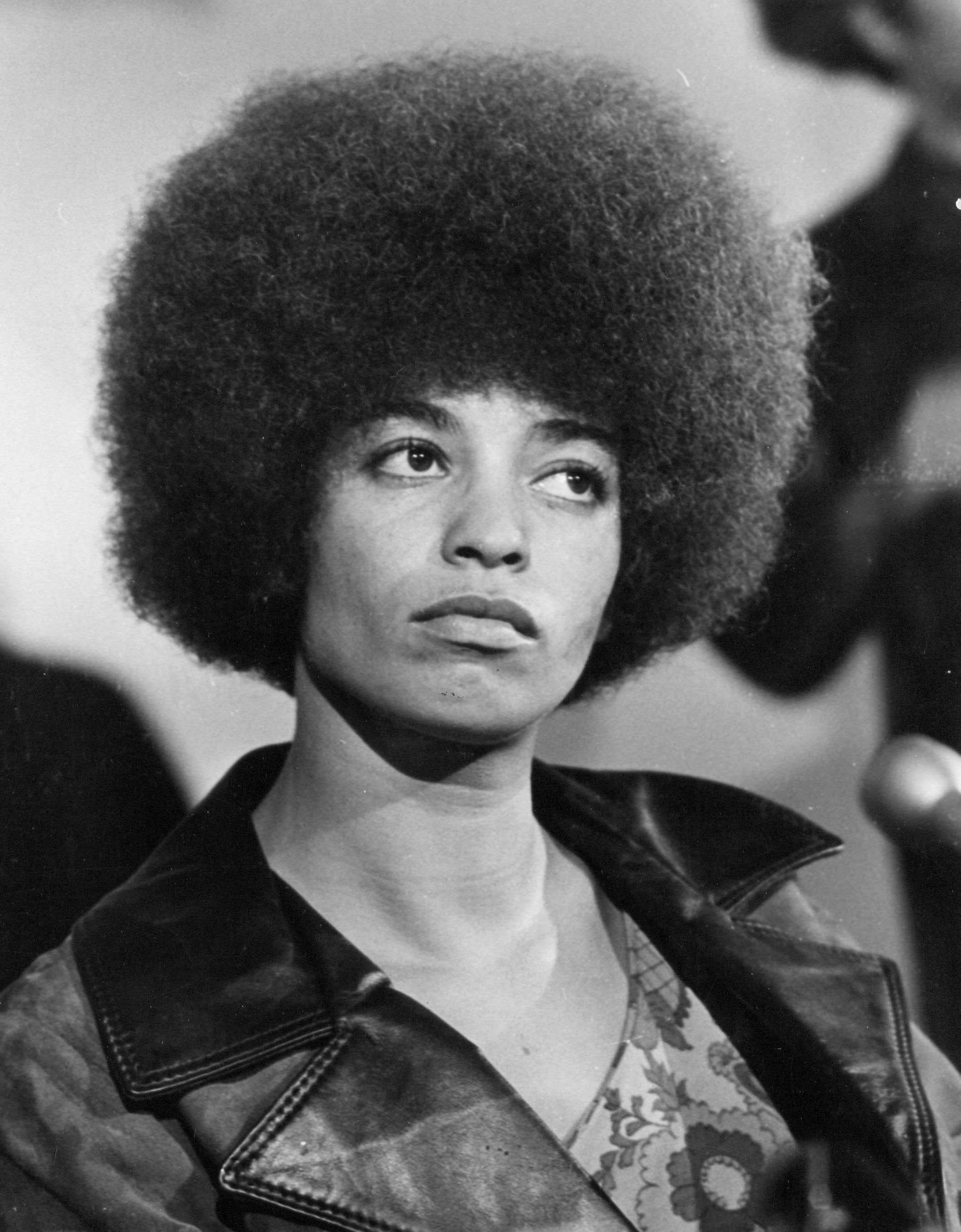
Angela Davis: 'Black is beautiful'
The aesthetic ethos of ‘Black is beautiful’ was a powerful element during the civil rights movement in the 1960s in the United States. The idea of ‘natural’ hair that was not chemically treated or straightened became a potent symbol of Black empowerment, as it rejected European, White standards of beauty. The prominent scholar and civil rights activist Angela Davis made this conviction highly visible and influential. Her afro, combined with her outspoken opposition to racism, sexism, and the prison system, made her an iconic figure within the movement.
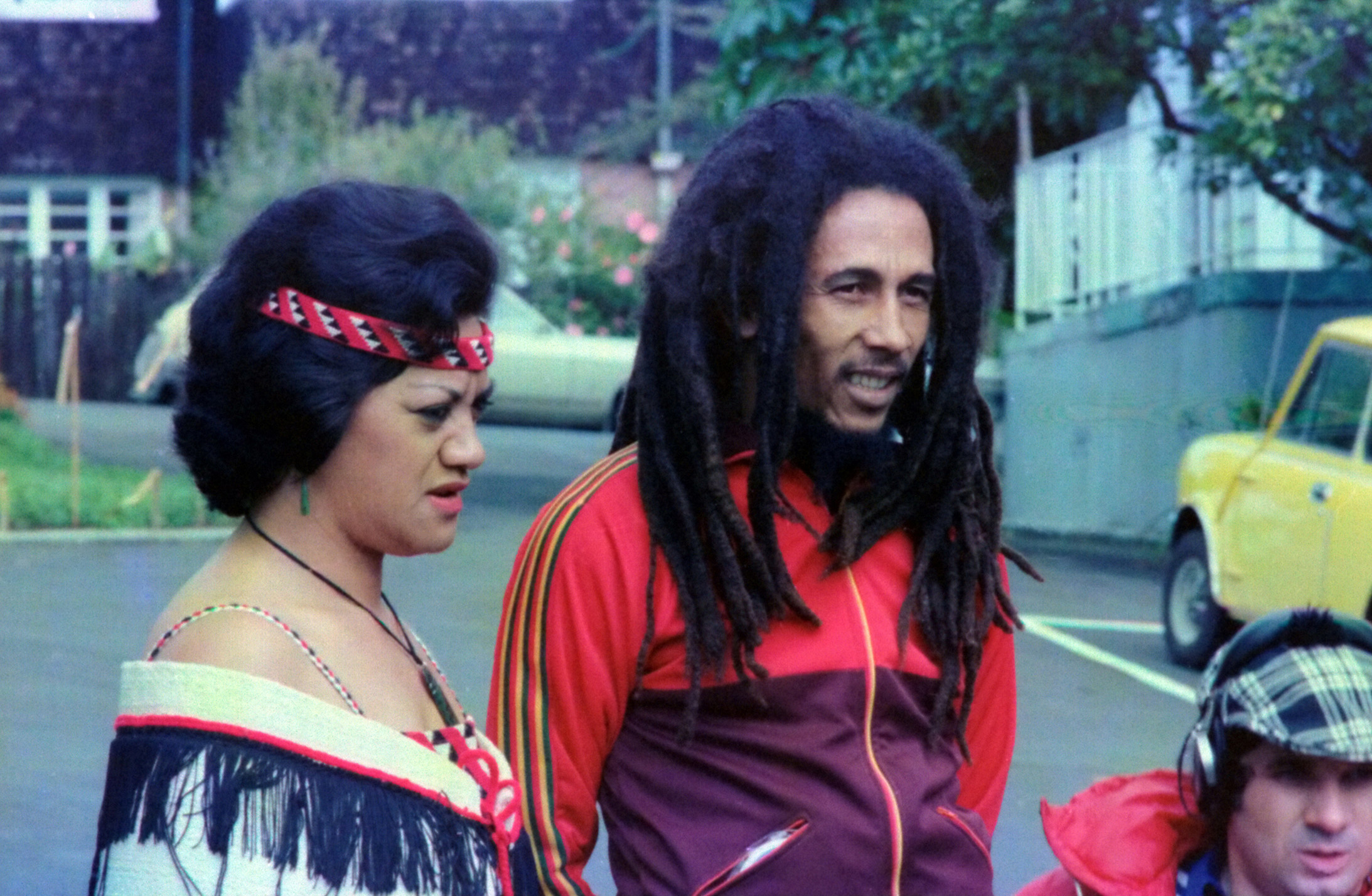
Bob Marley
Within different Rastafari sects, locs, also known as dreadlocks, are powerful because they can connect people to God and divine energy. As Bob Marley’s music reached an international audience of millions, his image moved across the globe. As a result, locs, reggae music, and Rastafari have also become enmeshed in politics and freedom struggles that are beyond the teachings of Rastafari movements.
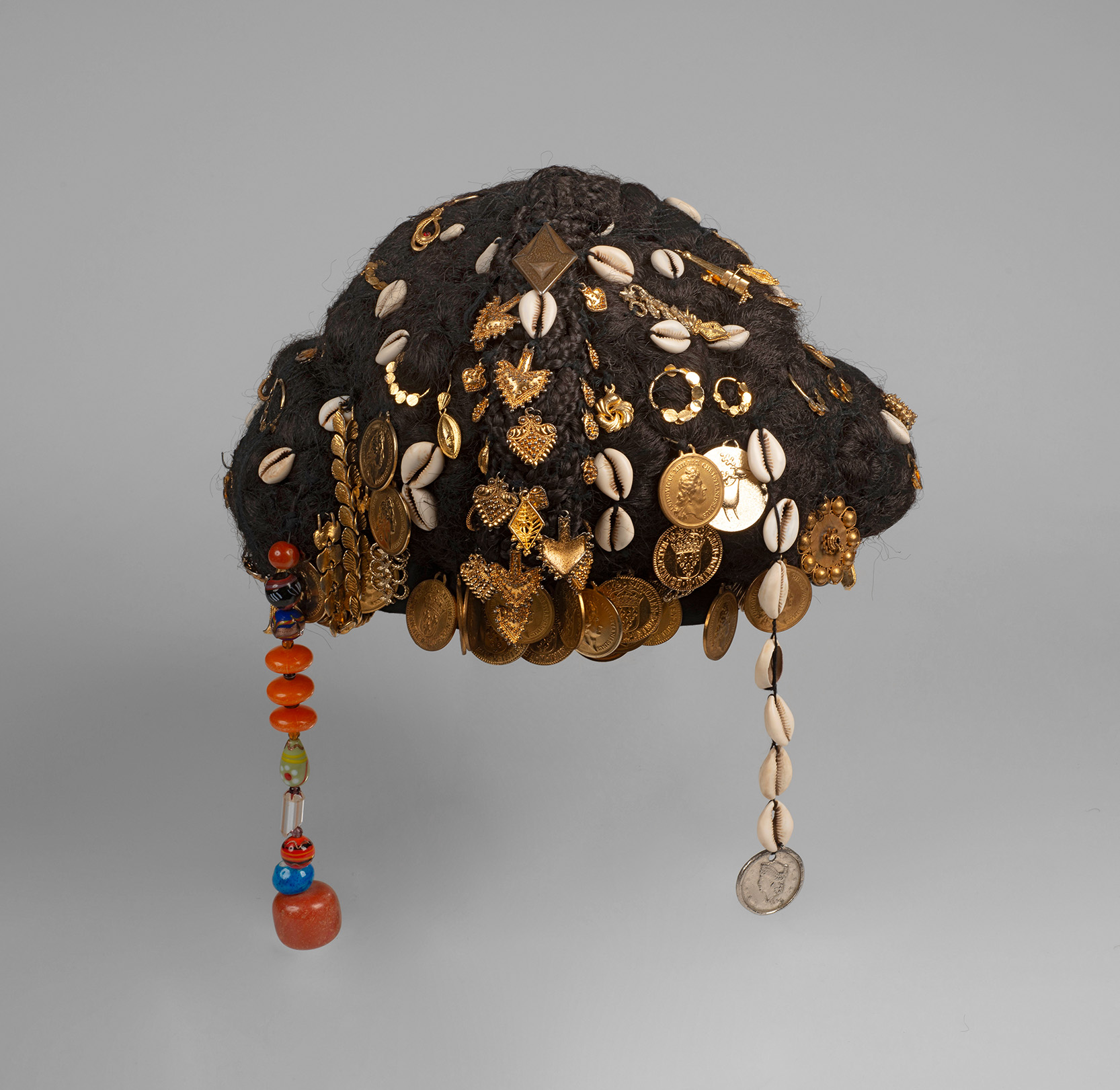
Oumou Sy
Oumou Sy (1952) is an influential and globally respected Senegalese fashion designer. At the age of thirteen, the fashion icon opened her first studio, marking the start of her successful career. Today, she is still considered the queen of the Dakar fashion scene, with her striking designs for catwalks and films. In her work, she interweaves high fashion, textiles, and costume. She draws on rich Senegalese traditions, which she renews with a contemporary perspective, as in this haute couture wig.