The grand boubou: a West African fashion icon

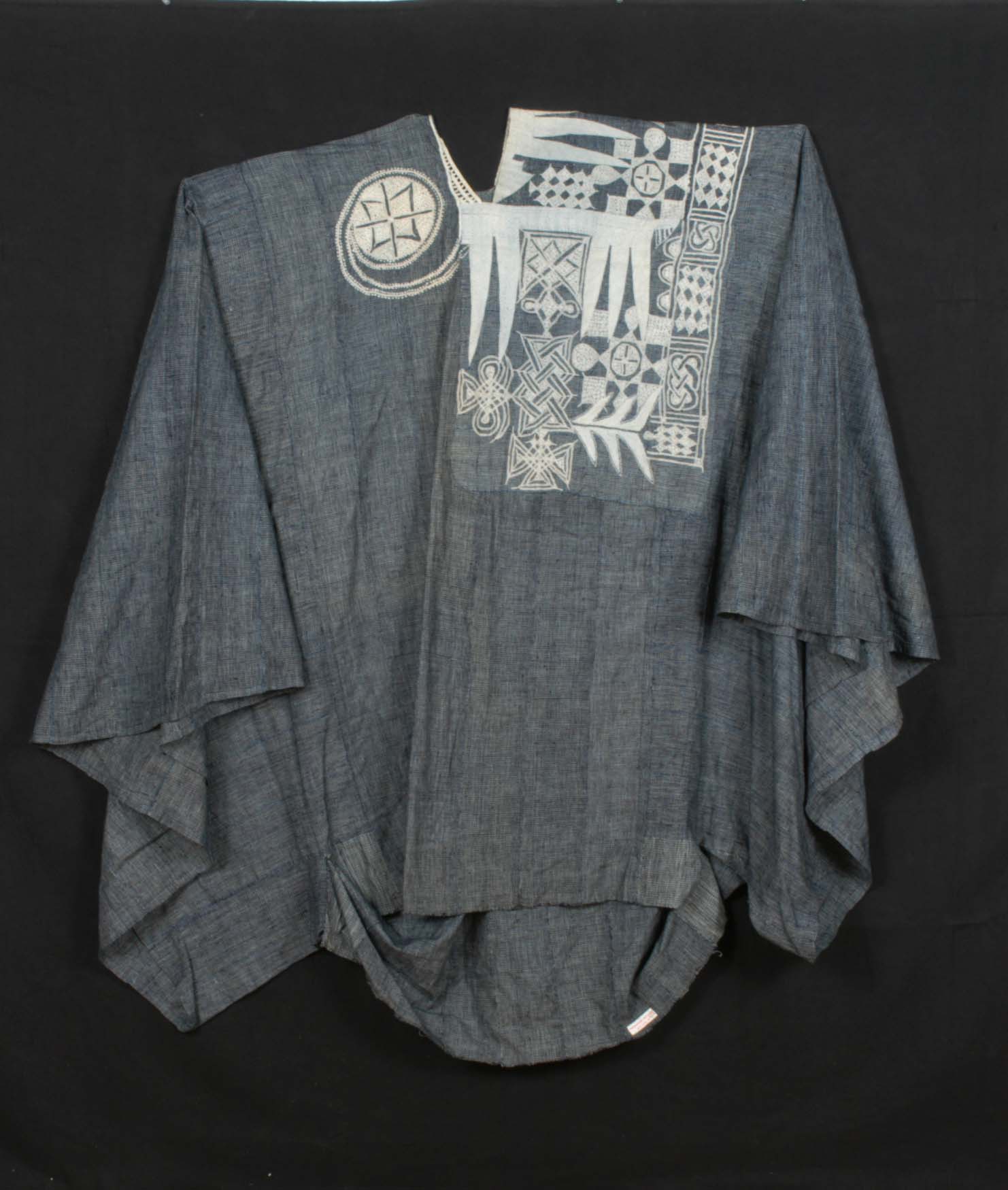
Blauwe katoenen boubou uit het begin van de 20e eeuw, Nigeria. De halslijn en de voorzak zijn versierd met een gedetailleerd wit borduursel met abstracte motieven. (TM-2770-1)

Timeless and elegant, the grand boubou is the most iconic piece of West African men’s formal attire. This collection story traces a history of this garment, from its origins to contemporary art.  

Fashion is one of the most interesting artistic expressions of West-African countries: metropolises like Lagos and Dakar have lively shopping districts, in which skilled artisans sell hand-tailored and made to measure clothing for any occasion. The fashion scene is in constant evolution: tailors are constantly on the chase for something new to surprise their customers with.
An all-time favorite

History of the boubou

With their longstanding history, grand boubous proudly testify West Africa’s love of textiles and fashion. Archeological excavations in Mali revealed that grand boubous have been in use since the XI century, and played a significant role in trading relations throughout the centuries.
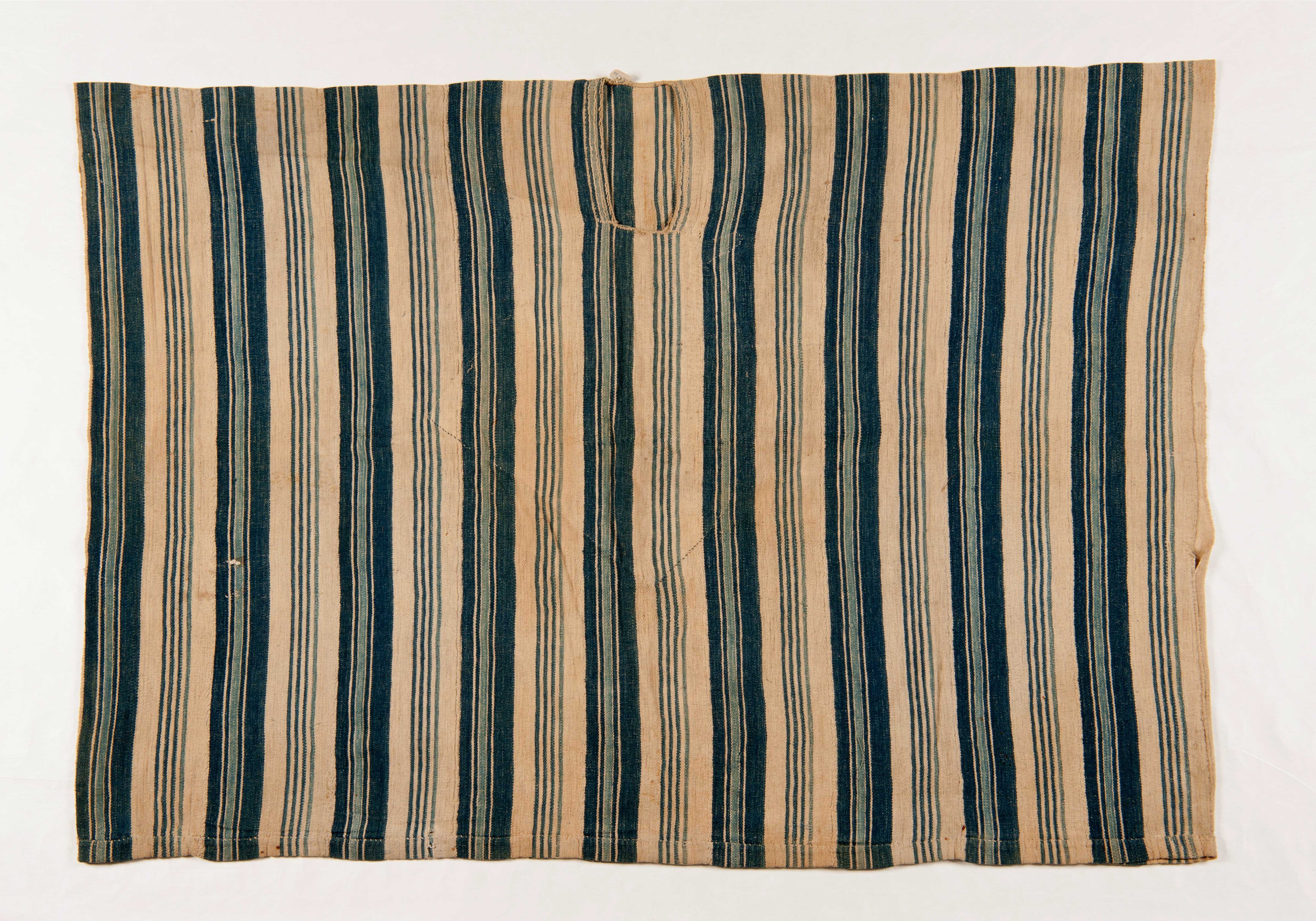
Boubou van wit gestreept katoen uit Sierra Leone. De strepen lopen verticaal en variëren van donkerblauw tot hemelsblauw. Het werd door het museum aangekocht tijdens de Wereldtentoonstelling in Parijs in 1889. (RV-747-10)
Historically, West African communities have come into contact with East and North African merchants, which contributed to the spreading of the boubou across different groups. Thanks to their opulence of fabrics and decorations, grand boubous soon became trading commodities.

Tradition and art

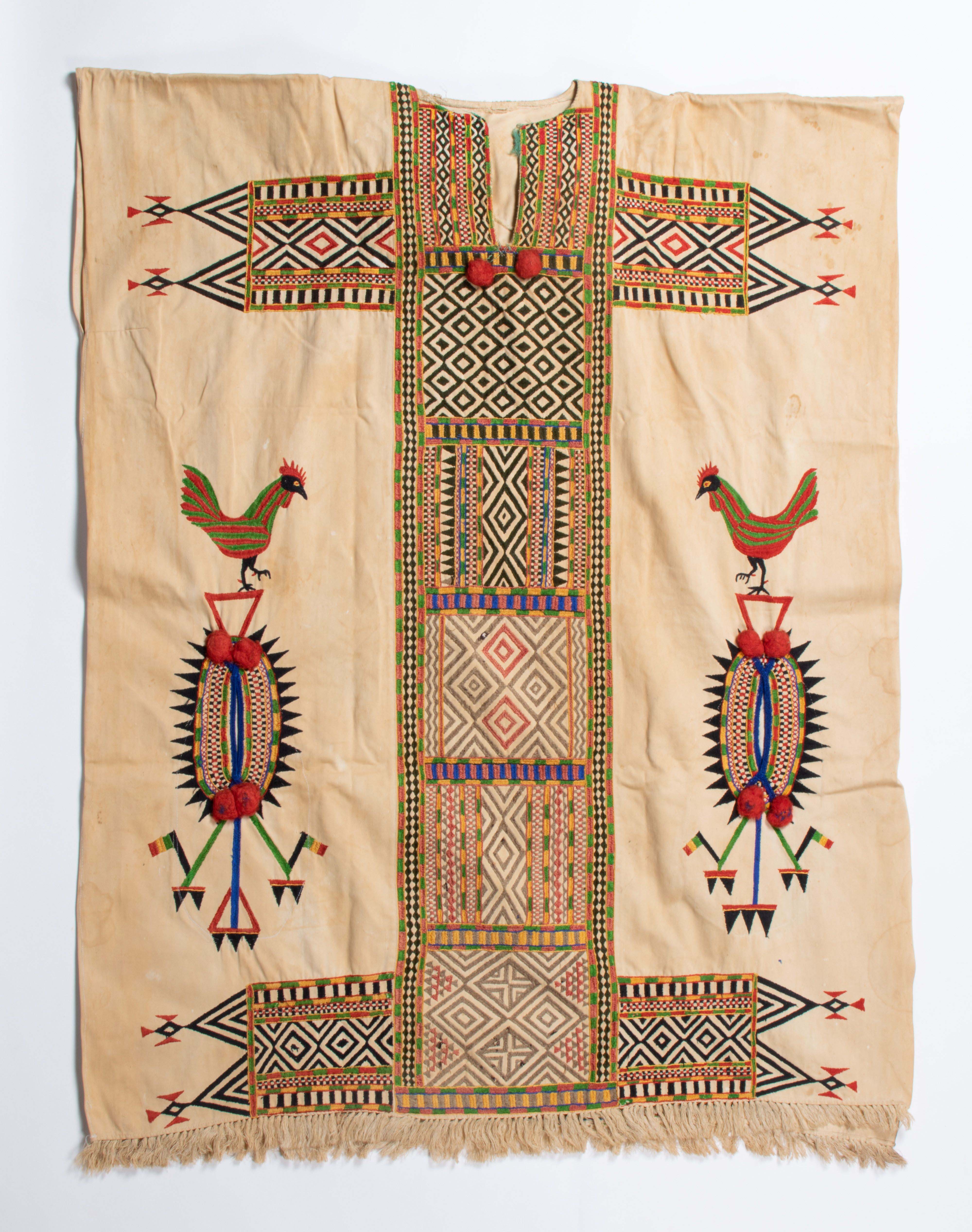
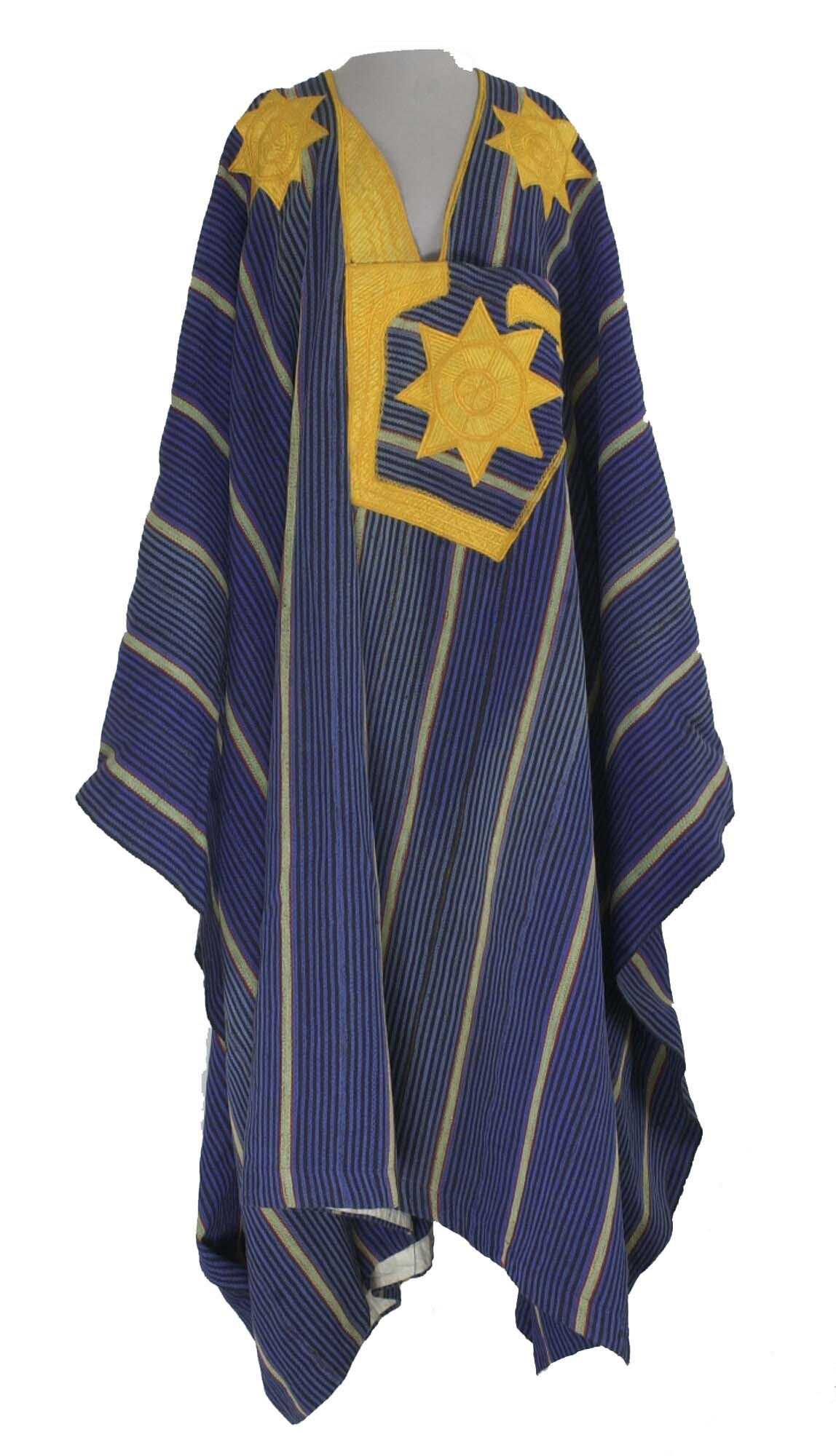
Wereldmuseum’s collection gives an impression of the rainbow of fabrics and embroideries that make grand boubous so iconic. Our collection ranges from elegant, silk outfits, to be worn on special occasions and religious holidays, to simpler, everyday polyester ensembles.