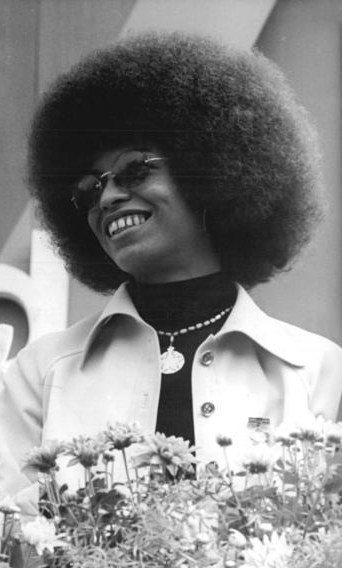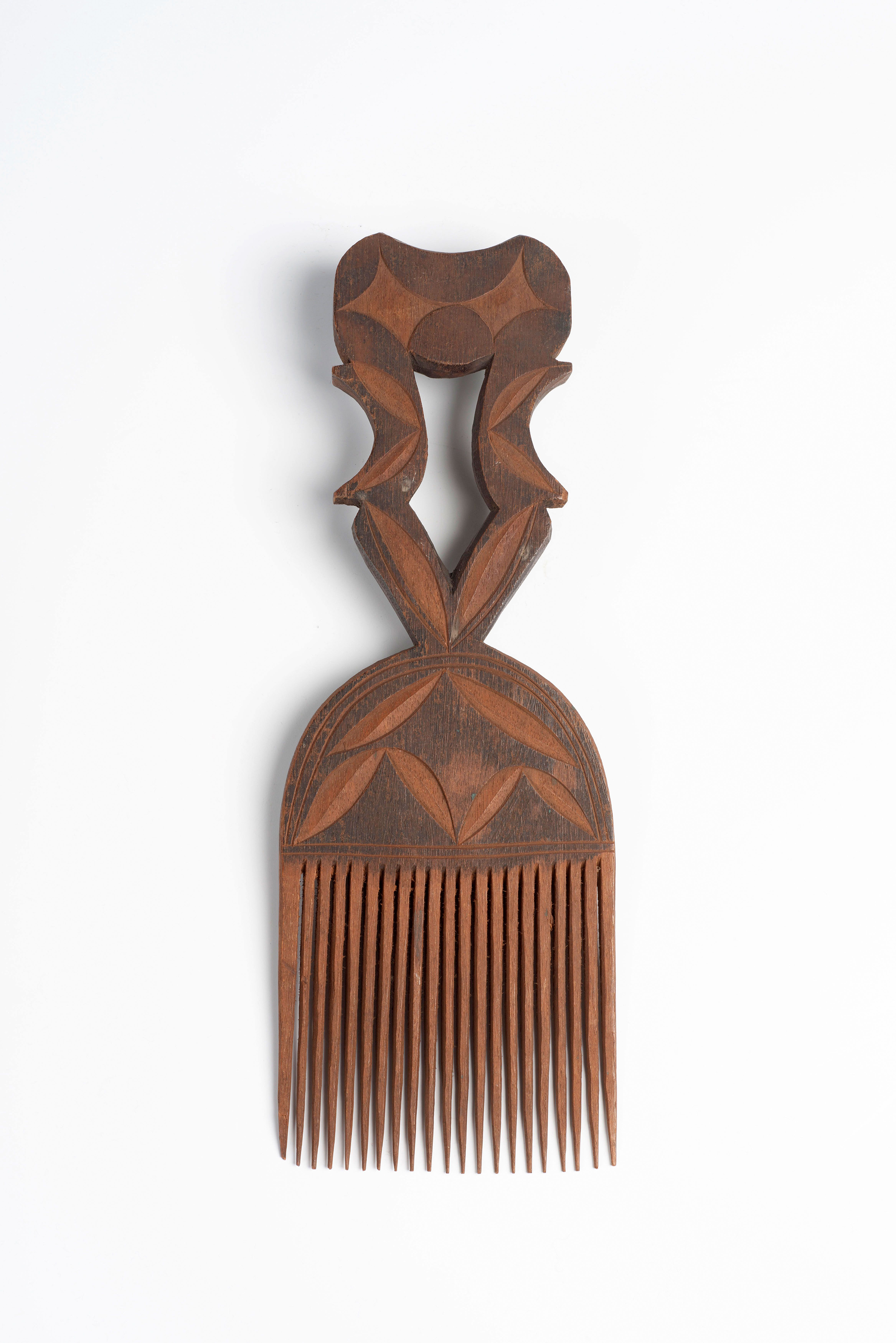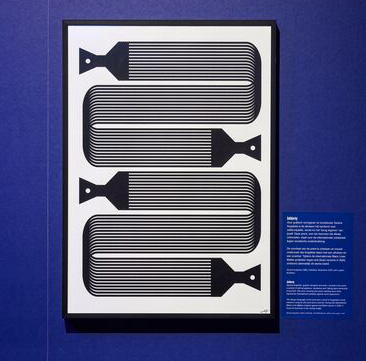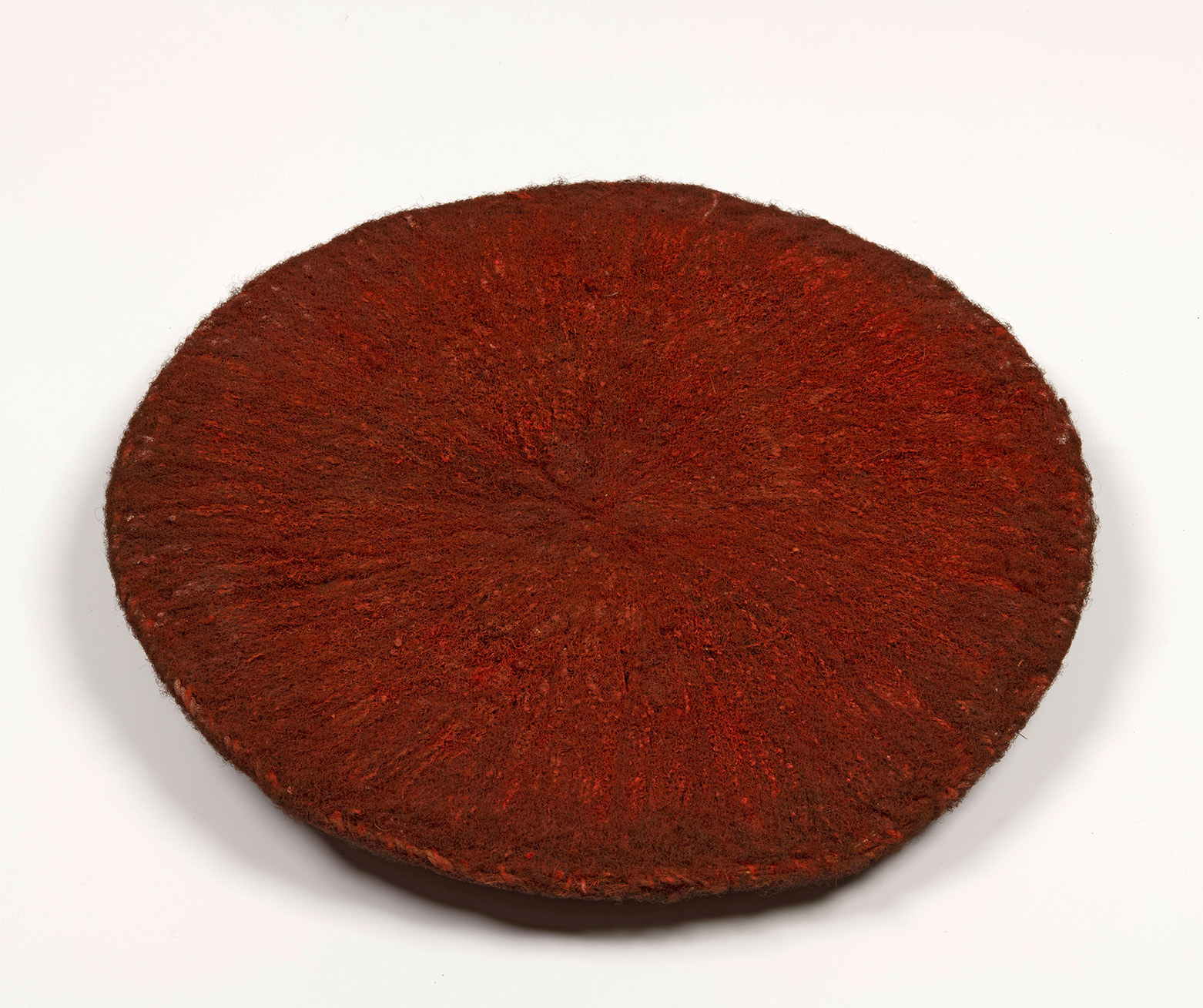

The aesthetic ethos of ‘Black is beautiful’ was a powerful element during the civil rights movement in the 1960s in the United States. The idea of ‘natural’ hair that was not chemically treated or straightened became a potent symbol of Black empowerment, as it rejected European, White standards of beauty. The afro as a natural Black hair style rejected White beauty norms, but also White ideas of what constitutes professionalism, civility, and grooming. The prominent scholar and civil rights activist Angela Davis made this conviction highly visible and influential. Her afro, combined with her outspoken opposition to racism, sexism, and the prison system, made her an iconic figure within the movement.